

HONEST News Center & Latest News
-
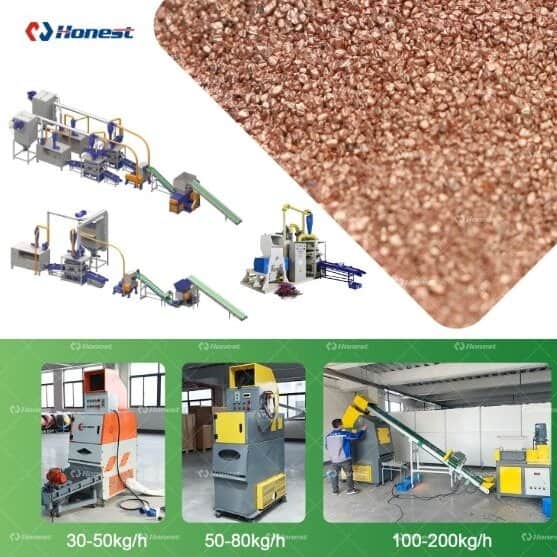
Copper Wire Recycling Machines Guide for Beginners
Starting a copper wire recycling business often begins with a few simple questions: How can copper be separated from plastic insulation? Which machine is suitable for a small-scale operation? How much does a copper wire recycling machine cost? And what…
-
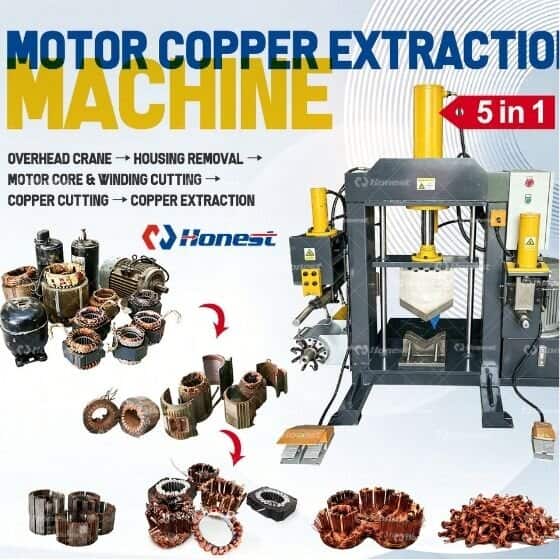
Motor Copper Extraction Machine Functions and Features
Scrap electric motors contain valuable copper windings, but recovering them efficiently can be difficult. Traditional manual dismantling is labor-intensive and time-consuming, particularly when processing large quantities of motors. A motor copper extraction machine offers a faster, more practical way to…
-
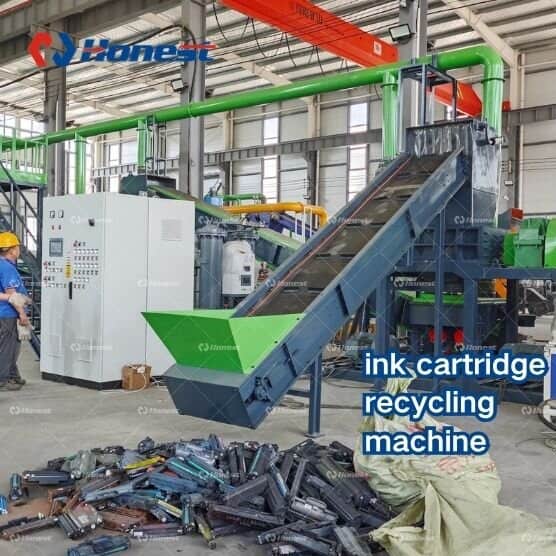
How Ink Cartridge Recycling Machines Improve Material Recovery
Waste printer cartridges, including ink and toner cartridges, contain a mixture of plastics, aluminum, steel, copper, and residual ink or toner powder. An industrial ink cartridge recycling machine is designed to safely shred, crush, and separate these materials, turning discarded…
-
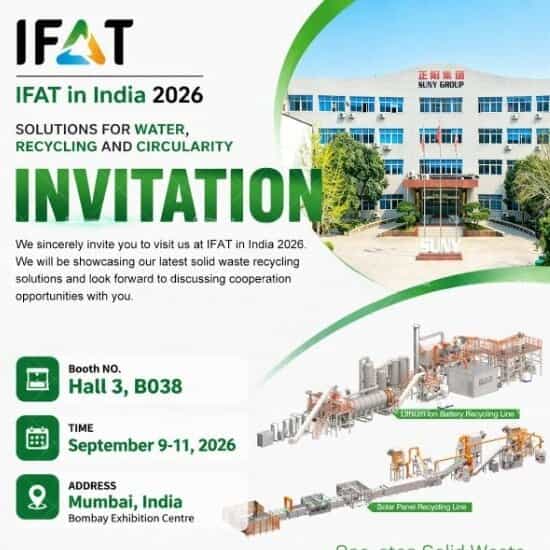
Henan Honest to Showcase Recycling Solutions at IFAT India 2026
Henan Honest Heavy Machinery Co., Ltd. will participate in IFAT India 2026, held from September 9–11, 2026, at the Bombay Exhibition Centre in Mumbai, India. Visit us at Hall 3, Booth B038 to explore our latest recycling machinery and solid…
-
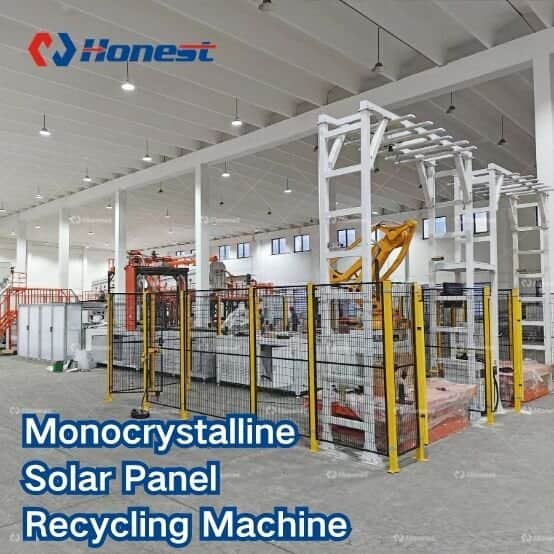
Monocrystalline Solar Panel Recycling Machine Solution Detailed
The Monocrystalline Solar Panel Recycling Machine is an automated recycling system specially designed for processing end-of-life monocrystalline silicon photovoltaic (PV) modules. It integrates intelligent dismantling, glass separation, crushing, and sorting technologies to recover valuable materials including glass, aluminum, silicon, copper,…
-
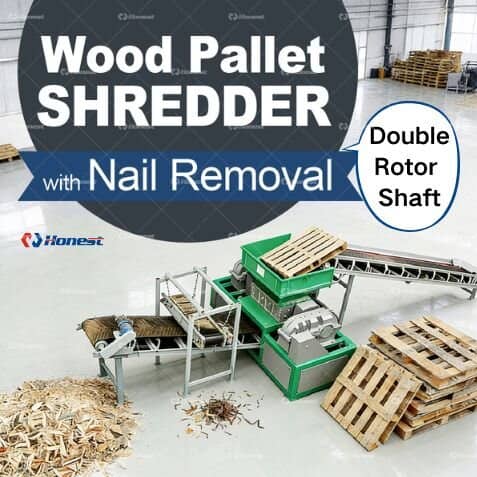
Wood Pallet Double Shaft Shredder with Nail Removal System
Waste wood pallets are different from ordinary wood waste. They are usually made from thick wooden boards and solid blocks, and reinforced with metal components such as nails and screws. Due to their large size, strong structure, and irregular shape,…
-
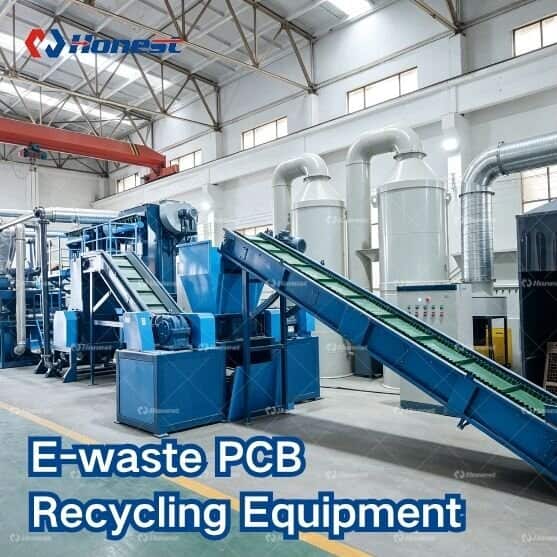
E-Waste PCB Crushing Recycling Equipment for Metal and Resin Powder Recovery
E-waste PCB recycling equipment is designed to process dismantled bare printed circuit boards (PCBs), recovering valuable metals such as copper while separating non-metallic materials like resin. After electronic components are removed, waste PCB boards are processed through a series of…
-
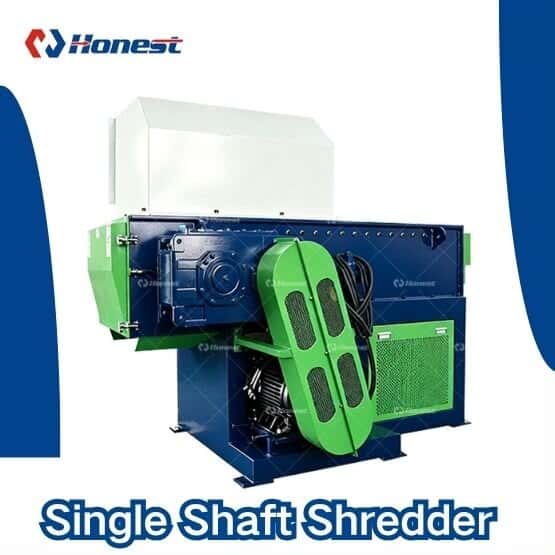
What Is a Single Shaft Shredder and How Does It Work
A single shaft shredder is an industrial recycling machine designed to reduce bulky, difficult-to-process materials into smaller, uniform pieces for further recycling. Compared with traditional crushing equipment, it uses a low-speed, high-torque cutting system to achieve stable operation, lower noise,…
-
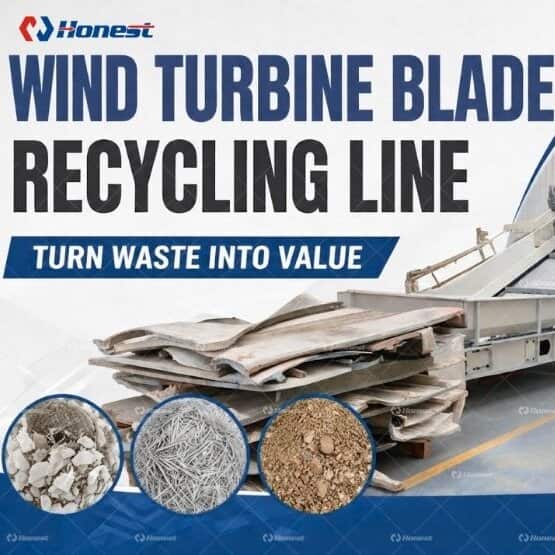
Wind Turbine Blades Recycling Solution and Machinery Process Guide
As wind energy continues to grow worldwide, more wind turbine blades are reaching the end of their service life. Recycling these blades is challenging because they are made from fiber-reinforced composite materials that combine strong fibers, thermoset resins, and lightweight…
-
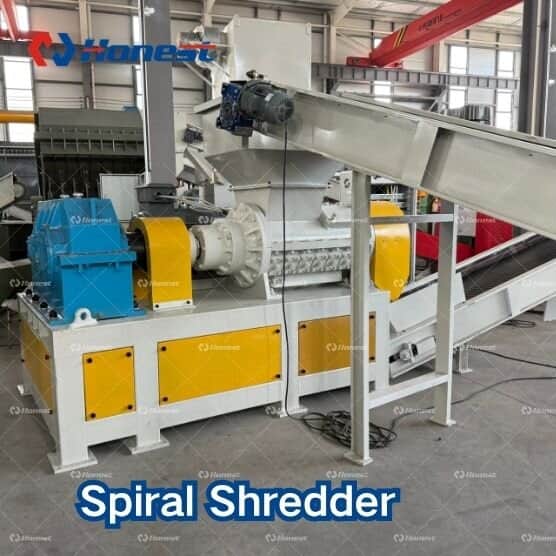
Why Soft Waste Needs a Spiral Shredder
Soft and flexible waste materials are often difficult to process with traditional shredders. Materials such as FIBC bags, jumbo bags, woven PP bags, textile waste, polyester fibers, and plastic films can easily wrap around the rotor, causing blockages, downtime, and…
-
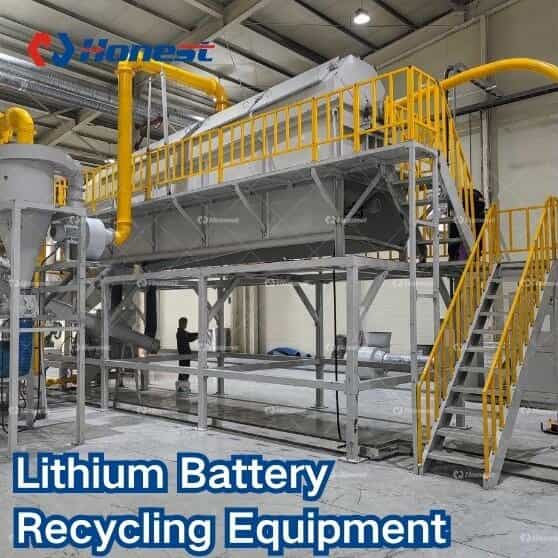
Lithium Battery Recycling Equipment and Process Explained
The rapid growth of electric vehicles, energy storage systems, and portable electronics has created a growing challenge: how to safely recycle millions of used lithium batteries. Unlike traditional metal waste, lithium batteries contain valuable materials such as lithium, nickel, cobalt,…
-
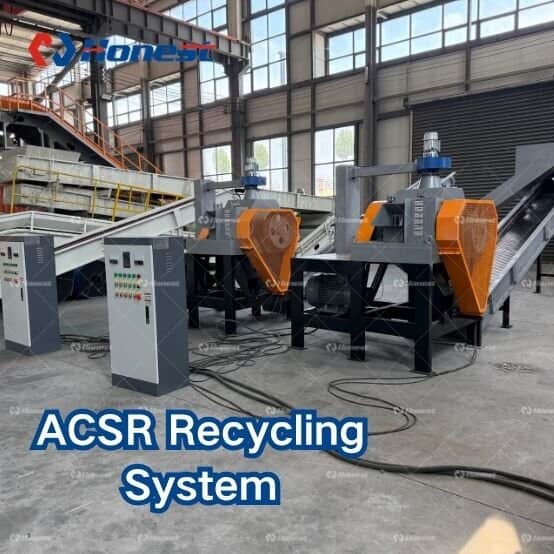
How to Recycle ACSR Cables for Aluminum Recovery
With global power grid upgrades and aging infrastructure replacement, increasing amounts of retired ACSR (Aluminum Conductor Steel Reinforced) cables are entering the recycling market. Unlike ordinary aluminum cables, ACSR cables contain a combination of aluminum strands and a reinforced steel…
Get in Touch
Connect with us anytime! Whether you have questions, need project assistance, or seek general help, our dedicated team is ready to assist. Fill out the form, and we'll promptly prioritize your satisfaction. We eagerly anticipate serving you.
If you have any requirement or suggestion, please fill in the form and send to us, thanks!
Email: hnhonest.zack@gmail.com
WhatsApp: +86 19903886476
Address: No. 403, South Of Floor 4, No. 172, Fifth Street, Zhengzhou Economic And Technological Development Zone Zhengzhou Henan China
HONEST - Experts in Waste Recycling Solutions
40000
m²
Equipment R&D Factory
2500+
Cases
Customers Worldwide
150+
Countries
Over 20 years manufacturing and 14 years export


