

HONEST News Center & Latest News
-
Henan Honest 2026 National Day Holiday Schedule
As China’s National Day approaches, Henan Honest Heavy Machinery Co., Ltd. would like to sincerely thank our customers and partners around the world for your continued trust and support. During the holiday period, our regular office operations will be suspended.…
-
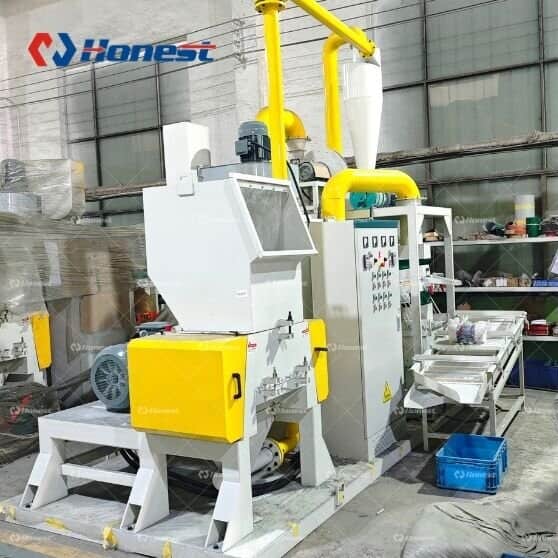
Copper Wire Granulator Uses Crushing and Gravity Separation
This copper wire recycling system designed for processing around 200–300 kg of scrap wire per hour combines size reduction with gravity separation to recover copper from plastic insulation. The configuration provides a relatively simple processing route for recyclers handling communication…
-
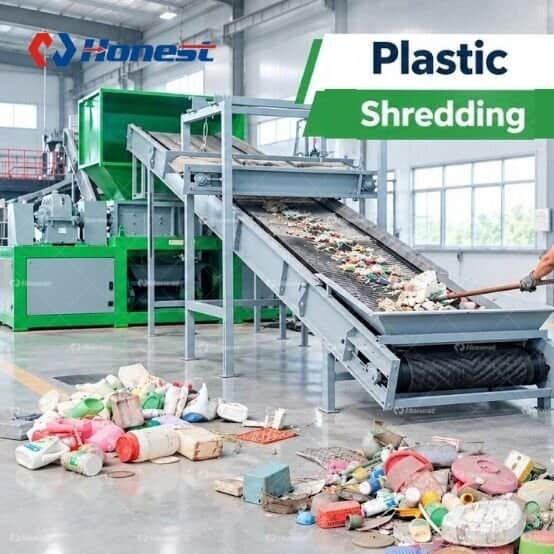
Double Shaft Shredder Processes Mixed Plastic Waste
Mixed rigid plastic waste is increasingly difficult to process efficiently because household items such as buckets, basins, baskets, bottles, containers, and lids vary widely in size and shape. A recent plastic recycling system shows how a double shaft shredder combined…
-
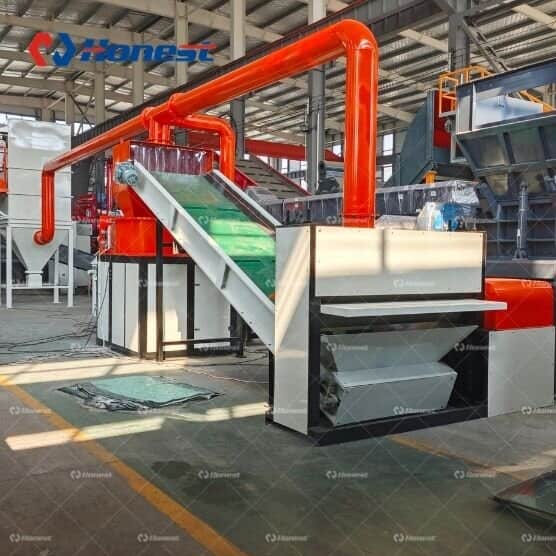
Laminated Glass Recycling Line Key Technical Considerations
Recycling laminated glass at industrial scale requires more than conventional glass crushing. Materials such as PVB-laminated glass must be processed through controlled feeding, size reduction, glass/PVB separation, screening and discharge. The line configuration should match the feedstock, since automotive windshields,…
-
Automotive Windshield Recycling How Glass and PVB Are Separated
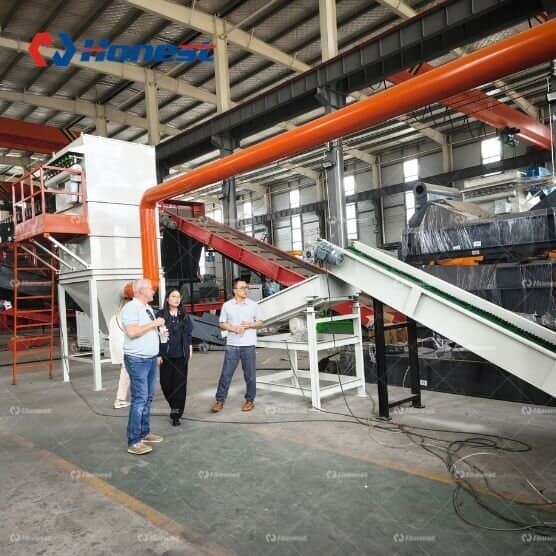
End-of-life automotive windshields are laminated safety glass, typically consisting of two glass layers bonded with a PVB (polyvinyl butyral) interlayer. Unlike ordinary glass waste, they cannot be efficiently recycled through simple crushing. The main challenge is to separate the glass…
-
How Is Automotive Scrap Recycled? A Practical Guide
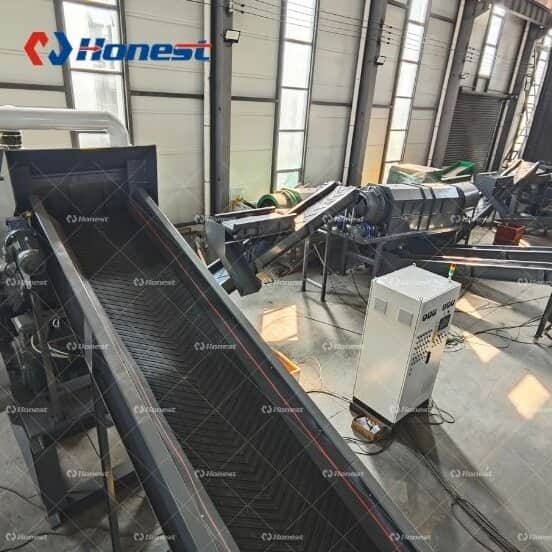
Automotive scrap contains a mixture of valuable metals and non-metallic materials. End-of-life vehicles (ELVs), engine housings, wheels, and other automotive parts can contain steel, aluminum, copper, rubber, plastics, and surface contaminants. Effective recycling therefore depends on more than simply crushing…
-
Deploys Advanced Beverage Carton Recycling Line in Meerut, India
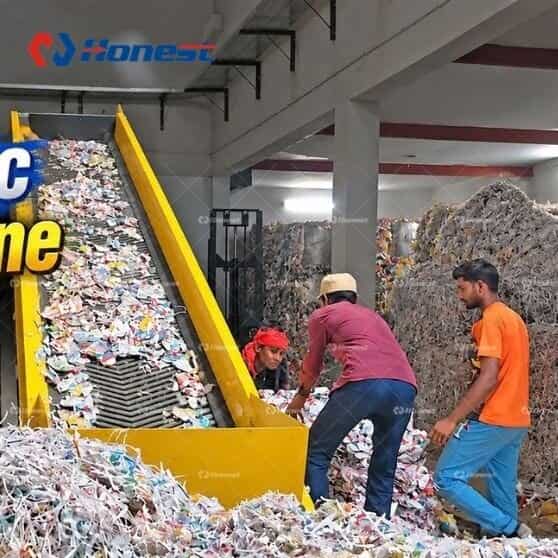
MEERUT, INDIA — We have successfully commissioned a full-scale recycling system in Meerut, India, designed to tackle the complex challenge of processing used beverage cartons (UBCs), including Tetra Pak packaging. The end-to-end installation recovers both high-grade paper pulp and PolyAl…
-

Solar Panel Recycling Process From PV Module to Recovered Materials
The solar panel recycling process converts end-of-life PV modules into separate material streams for recycling and further use. A typical process follows PV module → aluminum frame removal → junction box removal → glass separation → crushing → screening →…
-
ASR Recycling Machine: How Automotive Shredder Residue Is Processed
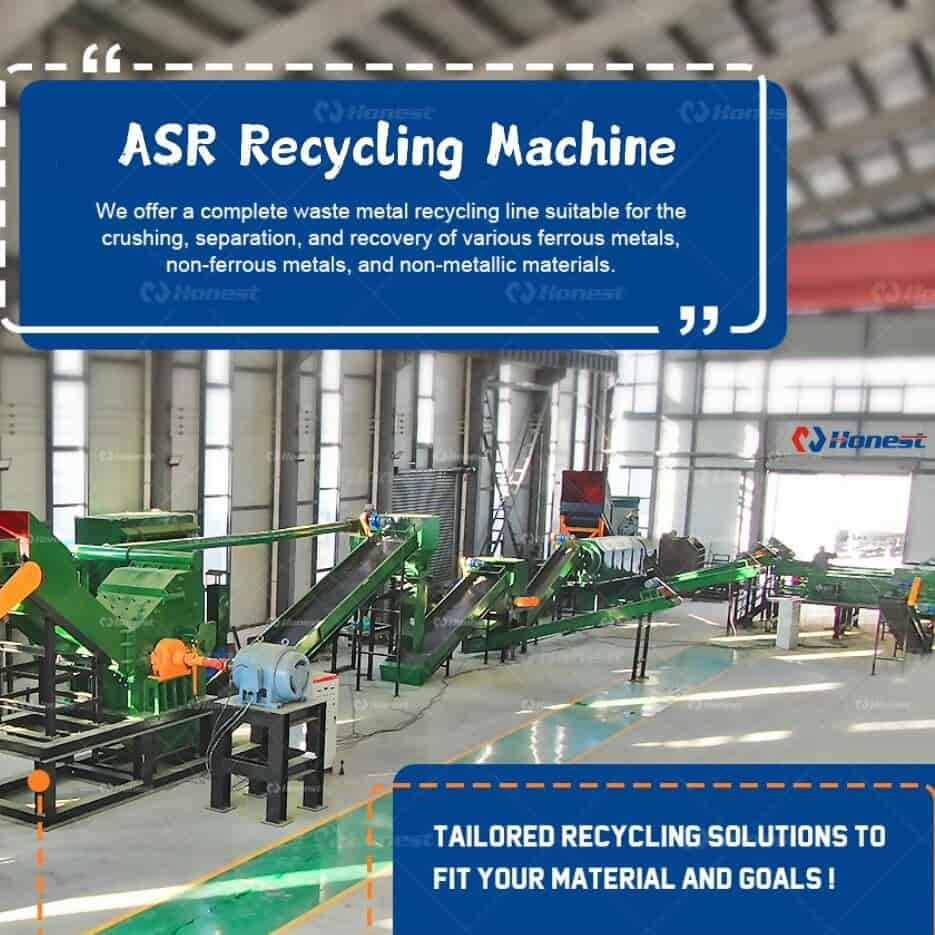
An ASR recycling machine is not a single machine, but a combination of processing and separation equipment used to recover materials from automotive shredder residue. ASR typically contains plastics, rubber, foam, fibers, glass, dirt, and residual metals, so different ASR…
-
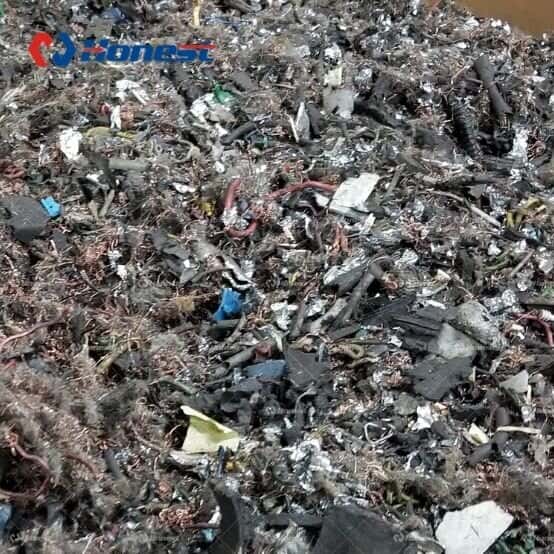
What Is Automotive Shredder Residue and How Is It Recycled
Automotive shredder residue (ASR), also known as auto shredder residue or car fluff, is the mixed material left after end-of-life vehicles are dismantled, shredded, and separated for major metal streams. A typical ASR stream contains plastics, rubber, foam, textiles, glass,…
-
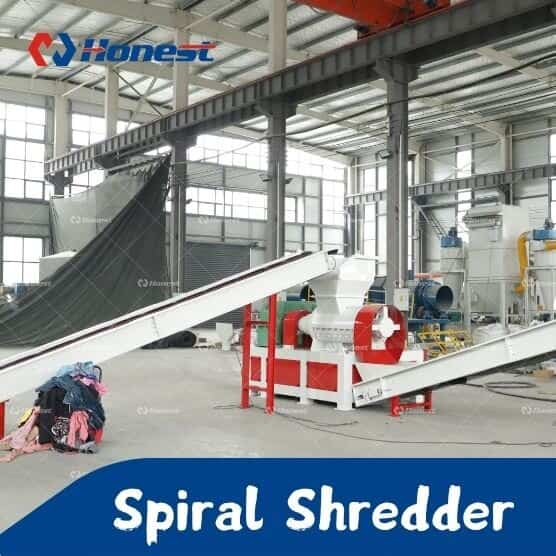
What Materials Can a Spiral Shredder Process
A spiral shredder is designed for bulky, flexible, fibrous, and tough materials that can be difficult to process with conventional shredders. Common applications include used clothing, textiles, FIBC and jumbo bags, agricultural film, PP straps, pet pads and flexible plastic…
-

How Are Aluminum Frames Removed From Solar Panels
Solar panels commonly use aluminum frames to protect the module edges and provide structural support during installation and operation. When retired, damaged, or downgraded PV modules enter the recycling process, removing the frame is usually one of the first dismantling…
Get in Touch
Connect with us anytime! Whether you have questions, need project assistance, or seek general help, our dedicated team is ready to assist. Fill out the form, and we'll promptly prioritize your satisfaction. We eagerly anticipate serving you.
If you have any requirement or suggestion, please fill in the form and send to us, thanks!
Email: hnhonest.zack@gmail.com
WhatsApp: +86 19903886476
Address: No. 403, South Of Floor 4, No. 172, Fifth Street, Zhengzhou Economic And Technological Development Zone Zhengzhou Henan China
HONEST - Experts in Waste Recycling Solutions
40000
m²
Equipment R&D Factory
2500+
Cases
Customers Worldwide
150+
Countries
Over 20 years manufacturing and 14 years export


